
Explore the intricate world of Jueteng, a popular but illegal numbers game in the Philippines, and discuss its implications and controversies.
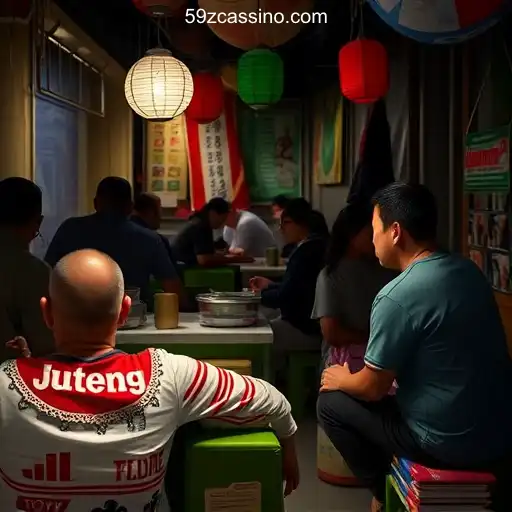
Understanding the Phenomenon of Jueteng: An In-Depth Look
Introduction to Jueteng
Jueteng is a widely known numbers game in the Philippines, one that operates outside the legal gambling systems. This illegal numbers game has deep roots in Filipino culture, often seen as both a form of recreation and a means of livelihood for many. Despite its illegality, Jueteng continues to thrive, raising questions about its cultural significance and the reasons behind its persistence.
Historical Background
The origins of Jueteng can be traced back to the Spanish colonial period, making it an enduring part of Filipino history. Initially brought over by Chinese immigrants, it started as a form of entertainment and quickly gained popularity because of its simplicity and potential for sizable winnings. The game's longevity is a testament to its ingrained position in Filipino society.
How Jueteng is Played
The mechanics of Jueteng are straightforward. Players select a combination of numbers, usually ranging from 1 to 37. Bets are placed on these combinations, with collectors or 'kubradors' canvassing neighborhoods to gather stakes. The results are drawn thrice a day, with winners receiving payouts based on a fixed payoff scheme. This frequency keeps the excitement alive, making Jueteng a daily ritual for many.
Cultural and Economic Implications
Jueteng holds a peculiar place in the societal fabric of the Philippines. For many, it is a source of hope and a potential escape from poverty. The small monetary investment for a chance at significant returns is a gamble that many are willing to take. Furthermore, Jueteng employs thousands in different roles, from collectors to coordinators, thus providing a source of income in economically deprived areas.
Legal and Political Aspects
Despite its popularity, Jueteng remains illegal under Philippine law. Efforts to eradicate it have been ongoing, with varying degrees of success. Law enforcement agencies frequently conduct raids and apprehensions. However, the game's resilience can often be attributed to corruption and collusion within governmental and law enforcement bodies. This complicity has thwarted numerous attempts to dismantle Jueteng networks.
The Role of Corruption
Corruption plays a significant role in the perpetuation of Jueteng. Those who profit from the game often extend beyond the immediate operators to include law enforcers and government officials. Payoffs or 'tong' are a common means of securing protection, allowing Jueteng operations to continue unabated despite concerted efforts to eliminate them.
Regulatory Challenges
Regulating Jueteng poses unique challenges. Attempts to introduce legal alternatives like the Small Town Lottery (STL) have not fully succeeded in curbing Jueteng’s prevalence. Shortcomings in administration, alongside limited public trust in alternative systems, contribute to Jueteng's persistent allure.
The Influence of Modern Technology
With the advent of technology, Jueteng faces both opportunities and threats. The rise of digital gaming platforms such as 59Z.COM - Melhor plataforma de jogos Slots PG 777 has offered more players a legally stable and arguably more secure alternative. These platforms provide transparency and regulatory compliance, two critical aspects lacking in Jueteng operations.
Mobile Access and its Implications
Smartphones and internet access have changed the landscape of traditional gambling. Potential Jueteng players now have access to various mobile applications and online platforms that promise fair play and regulated environments. This shift has the potential to reduce the stronghold of Jueteng by presenting attractive, legal alternatives to bettors.
Challenges for Jueteng’s Future
As legal technological platforms expand, Jueteng may struggle to retain its following. The regulatory environment favours transparency and fair play, qualities that online gaming providers are prioritizing. Still, the strong cultural roots and the economic benefits of Jueteng imply that dismantling it entirely will require comprehensive efforts beyond simply offering alternatives.
Conclusion
To effectively combat Jueteng, there needs to be a combined approach focusing on reducing corruption, enforcing legal gaming alternatives, and addressing the socio-economic factors fueling its persistence. Understanding Jueteng's embeddedness in Philippine culture and economy is essential for formulating strategies that could finally resolve this long-standing issue.